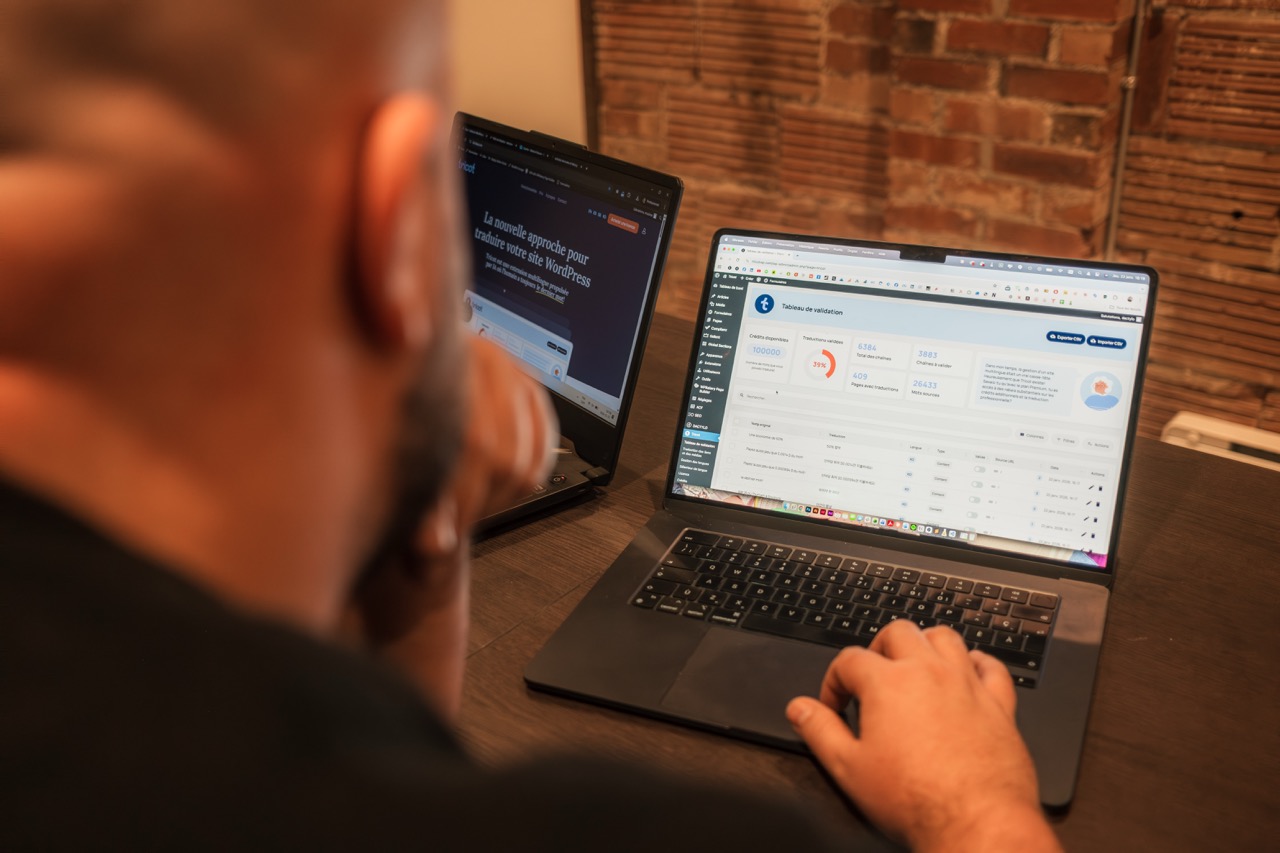
The Tricot plugin wasn't born of a creative brainstorm around a whiteboard, nor of an abstract desire to revolutionize the multilingual market. It's the fruit of a repeated, daily, almost banal observation: despite the multitude of multilingual plugins available for WordPress, none of them responded to the reality of the field. And we knew this reality intimately, because we experienced it from two angles rather than one: that of the digital agency and that of the language agency.
In other words, if you had to write a book on the history of the Tricot plugin, the first sentence would be: Once upon a time, there were two entrepreneurs who had their work cut out for them. sciot limiting multilingual solutions.
For years, we've been helping public and private organizations manage their multilingual content on WordPress. Each project came back with the same frictions, the same compromises, the same technical workarounds. WPML was everywhere, accepted out of habit, tolerated more than actually chosen. The alternatives were no better.
Tricot starts right there: at the very moment when we realize that the tools supposed to facilitate multilingualism are becoming its main problem.
Maxime: thinking human in an increasingly automated process
Maxime comes from the world of language services. Since 2014, he has been working on projects where translation is not cosmetic, but structuring. Governmental, institutional and technical projects, where terminology and nuances demand a fine understanding and cutting-edge precision.
Working with Web teams and WordPress integrators, he has managed the translation of some 100 websites. The chosen method? Too often (if not all the time), he was asked to extract content into a Word file for translation. Necessarily, the digital team then had to develop new pages, then import the translated content. The process was long, cumbersome and risky.
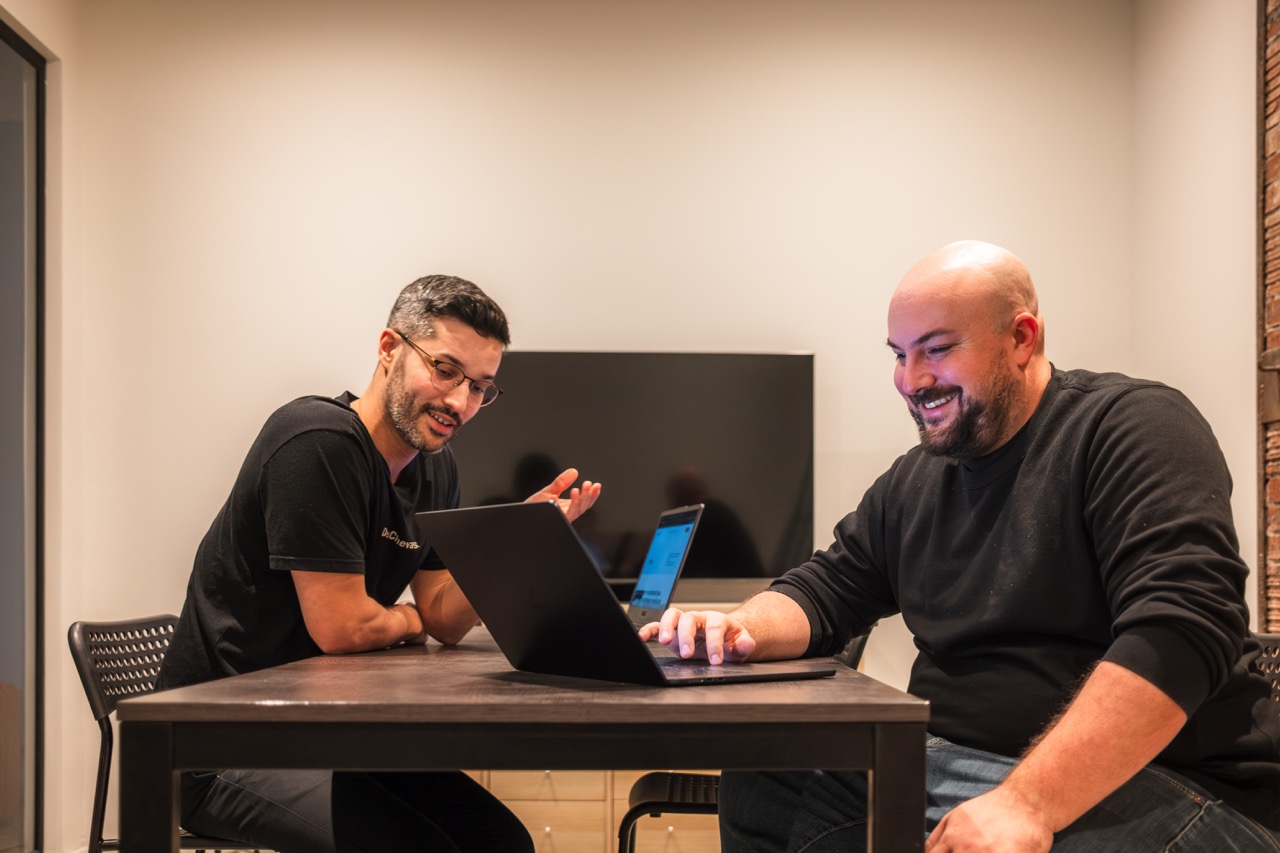
Guillaume: the Web agency that empowers customers
Guillaume comes in through the other door. That of Web agencies, WordPress development, production launches, customers who want multilingualism without the glitches that come with it.
Multilingualism was a pebble in the shoe of its teams. Cumbersome interfaces, synchronization logics that were difficult to explain to customers, updates that broke functionality, and above all, too much emergency technical support for the team to handle. save a website.
We build a WordPress site, validate the design, approve the texts, and only at the very end do we think about translating it all. Multilingualism becomes an exercise in catching up, and customers accept the process unless they're offered something simpler.
January 2025: making multilingualism our resolution
Let's develop the multilingual plugin of our dreams. No more in-house scripts. No more in-house procedures to "make do". The question became simple: how do we develop a WordPress plugin that perfectly meets the needs of our web teams, translators and customers?
We surrounded ourselves with people smarter than us and set to work.
The first step was to list everything that frustrated us about the multilingual plugins on the market:
- Workflow rigidity
- Laborious user experience
- Technical and time-consuming configuration
- Problematic maintenance over time
- Unforeseeable costs
- Lack of quality control
- Complex external intervention
- Customer dependence on suppliers
Then we tried to define our needs. How do agencies work? How does website content evolve? How can we integrate artificial intelligence without sacrificing quality? How can we give customers back their autonomy without drowning them in complexity?
We wanted a tool with a fast learning curve. A tool that would stand out from the crowd in its emphasis on human intervention. A tool that detects and positions content, automates translation by AI and values revision.
We took our time. Tricot was not launched with the first functional version. It was tested, tried and tested against real projects. Every frustration we experienced with WPML was used as a decision criterion. If Tricot recreated the same problem in another form, we'd go back.
Autumn 2025: the birth of Tricot
After 9 months (!) of gestation, we felt that the plugin finally reflected our vision. Not a clone. Not another alternative. But a coherent response to years of friction between the Web and multilingualism.
Tricot is the product of this trajectory. That of two different paths, united by the same demand: to do better, not by adding layers of complexity, but by intelligently simplifying.
And above all, to develop the multilingual plugin we had been looking for ourselves all along.